
An oud asks to be read. The first moments are only the surface — the lighter resins, the opening character of the wood, the notes that rise quickly and fade just as fast.
What matters begins after that.
Press your wrist gently with the side of your finger; warmth awakens the oil. A true Cambodian oud, in this second register, already begins to reveal the forest it came from. The deep humidity of Koh Kong. The dark resin of old growth heartwood. Earth after rain. Smoke carried through dense jungle air.
Then comes patience.
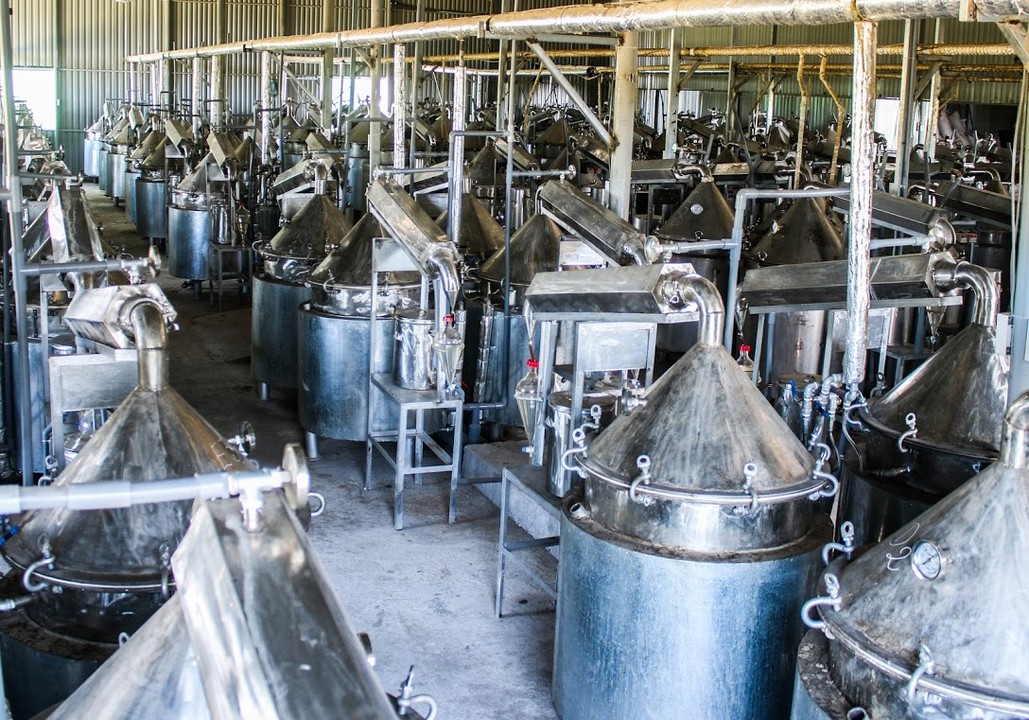
Set your wrist down and live with it. Twenty minutes in, the heart of the oil arrives. This is the moment every master distiller waits for — the resinous body, the texture of the wood itself. Honeyed, balsamic, dark, mineral, alive. Each note carries the memory of the Cambodian forests that shaped it.
“An oud is read in the long tail. Anyone can describe how an oil opens. The connoisseur understands what it leaves behind.”
An hour later, the tail begins. This is where great oils separate themselves. Lesser oils fade into silence. The patient oils endure — soft resin, warm earth, aged wood lingering against the skin long after sunset.
Sometimes until morning.
Read every oil this way: the opening, the heart, the long tail. The finest ouds are never understood in a single moment. They reveal themselves slowly, like the forests they came from.